
Rhinoplasty, commonly known as a nose job, can be a life-changing procedure for many. While the focus is often on the exciting results, bruising is a common side effect that can cause some anxiety. This article will guide you through everything you need to know about bruising after rhinoplasty, from understanding the timeline to helpful tips for minimizing its appearance and speeding up the healing process.
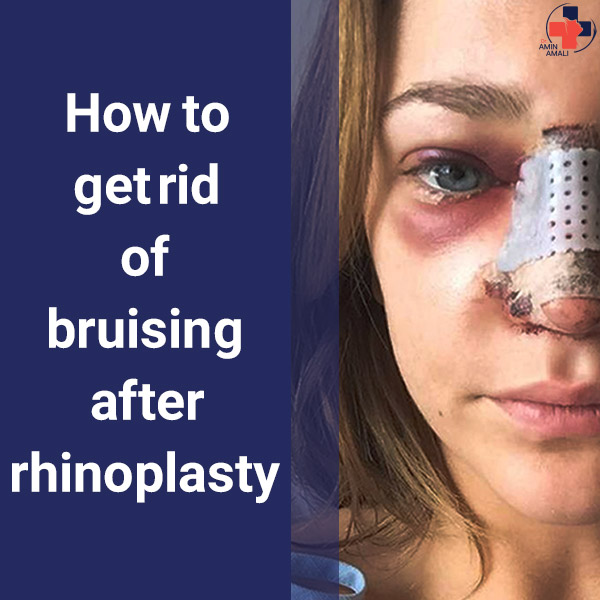
How long does it take for bruising to subside after rhinoplasty?
Typically, bruising after rhinoplasty lasts for about 7 to 14 days. Most patients notice the discoloration peaking within the first three days after surgery, followed by gradual fading each day.
What is the reason Bruising After a rhinoplasty
There are two main reasons why bruising occurs after rhinoplasty:
- Disrupted Blood Vessels: The nature of the surgery itself disrupts tiny blood vessels in and around the nose. This disruption causes some blood to leak out and collect under the skin, showing up as a bruise. The nose is a delicate area with a rich network of blood vessels, making it especially prone to this during surgery.
- Healing Process: Bruising is actually a sign of your body’s healing process at work. As your body repairs the surgical site, it cleans up the leaked blood, which can cause the bruise to change colors (from red to purple to yellow) before it fades completely.
What Factors Affect the Duration of Bruising After Rhinoplasty?
The appearance and duration of bruising after rhinoplasty vary from person to person, influenced by a complex interplay of surgical, physiological, and lifestyle factors. While bruising is a normal and temporary part of recovery, understanding what affects its severity and longevity can help patients manage expectations and support a smoother healing process.
| 1. Surgical Technique and Precision : One of the most significant factors determining the extent of bruising after rhinoplasty is the technique used by the surgeon. Procedures that involve extensive bone work, such as reshaping or narrowing the nasal bridge, are more likely to cause noticeable bruising. Conversely, a delicate and minimally invasive approach, especially when using advanced tools and precise handling of soft tissues, can minimize trauma to blood vessels beneath the skin. The surgeon’s skill and experience directly impact how much bruising develops and how quickly it resolves. |
| 2. Individual Healing Capacity : Every person’s body responds differently to surgery. Genetics play a major role in determining how quickly blood vessels repair and how efficiently the body reabsorbs leaked blood beneath the skin. Those with robust circulation and faster cellular regeneration often experience quicker recovery. On the other hand, individuals with slower healing tendencies may notice bruising after rhinoplasty lasting longer than average. |
| 3. Skin Type and Sensitivity : Skin characteristics also influence the visibility and persistence of bruises. People with thinner, fairer skin tend to show discoloration more prominently than those with thicker or darker complexions. Additionally, individuals with sensitive or easily irritated skin may experience extended redness and pigmentation changes even after the bruising fades. |
| 4. Postoperative Care and Lifestyle : Proper aftercare can dramatically shorten the lifespan of bruising. Keeping the head elevated while resting, applying cold compresses during the first 48 hours, and avoiding vigorous physical activity all help reduce swelling and promote faster healing. Hydration and balanced nutrition, particularly foods rich in vitamin C and bioflavonoids, strengthen capillaries and accelerate tissue repair. In contrast, neglecting these measures can prolong bruising after rhinoplasty and delay recovery. |
| 5. Medication and Supplement Use : Certain medications and supplements increase the likelihood or severity of bruising. Blood-thinning agents such as aspirin, ibuprofen, or even natural supplements like fish oil and vitamin E can prevent proper clotting and intensify discoloration. Surgeons typically advise discontinuing these substances at least two weeks before surgery to minimize risk. |
| 6. Age and Vascular Health : Younger patients generally heal faster due to better circulation and more resilient blood vessels. Older individuals or those with underlying vascular issues may experience prolonged healing times and more visible bruising. Lifestyle habits such as smoking or alcohol consumption also impair oxygen delivery to tissues, extending the duration of discoloration. |
| 7. The Body’s Natural Recovery Timeline : Finally, patience plays a key role. While most bruising after rhinoplasty fades within 10 to 14 days, subtle traces can linger for several weeks depending on the factors mentioned above. Allowing the body sufficient time to regenerate ensures not only the disappearance of bruises but also a smoother, more refined aesthetic outcome. |
Bruising around eyes After a rhinoplasty
Bruising around the eyes is a very common side effect following a rhinoplasty, or nose job. It occurs due to the disruption of tiny blood vessels during the surgical procedure. These small blood vessels leak blood, which collects under the skin and shows up as a bruise.
The bruising typically appears within the first 48 hours after surgery and reaches its peak intensity around 2-4 days. Fortunately, it’s usually temporary and should progressively fade over the following 1-2 weeks. While some people may see significant improvement within a week, slight discoloration can linger for another week or two.
How to get rid of bruising after nose job
While you can’t completely eliminate bruising after rhinoplasty, there are ways to help reduce its appearance and promote healing:
Elevation: Prop yourself up with pillows for the first few days after surgery. This simple step helps reduce swelling and fluid accumulation around the surgical site, which can significantly worsen bruising.
Cold compresses: Apply cold compresses wrapped in a thin cloth to the cheek area for at least two days post-surgery. The cold constricts blood vessels, minimizing further bruising and offering some pain relief.
Rest and hydration: Your body heals best when well-rested. Plan to get plenty of sleep and prioritize relaxation during the first few days. Additionally, staying hydrated by drinking plenty of fluids helps reduce inflammation and promotes overall healing.
Avoid certain substances: Smoking and alcohol consumption can hinder healing and worsen bruising by interfering with blood flow and circulation. Avoid them for at least two weeks before and after surgery.
Dietary choices: Consider incorporating pineapple into your diet. Pineapple contains bromelain, an enzyme with anti-inflammatory properties that may aid healing. Discuss any dietary changes with your doctor to ensure they complement your recovery plan.
Talk to your doctor: While some over-the-counter remedies like arnica supplements are marketed for bruising, consult your rhinoplasty surgeon before using them to ensure they won’t interfere with your medications or healing process. Additionally, some surgeons may offer laser treatments specifically designed to accelerate the healing of post-surgical bruising. Discuss these options with your doctor to see if they might be right for you.
Remember, following your doctor’s specific post-operative instructions is crucial for optimal healing and minimizing bruising. They’ll provide tailored guidance based on your individual case and procedure.
Bruising after rhinoplasty timeline
Bruising after rhinoplasty is a common side effect, but the good news is it’s temporary. Here’s a general timeline of what to expect:
The First Few Days: You might not see much bruising right after surgery. The initial discoloration is reddish due to oxygenated blood in the tissues.
Days 1-3: This is when bruising typically becomes most noticeable. It often appears around the eyes, giving you a bit of a “black eye” look. The color might deepen to purple or blue.
Fading and Resolution: Around Day 5: The body starts to reabsorb the blood, and the bruising should begin to lighten. You might see some greenish hues emerge.
One to Two Weeks: By this point, most patients experience significant fading. The remaining bruise may turn yellowish-brown. Milder bruising might even be completely gone.
Two to Three Weeks: This is the typical timeframe for most patients to see complete resolution of bruising. However, some cases with extensive bruising may take a little longer.
Important to Remember:
This is a general timeline, and individual experiences can vary. Factors like the complexity of the surgery and your body’s natural healing rate can influence how long bruising lasts.
If you experience any significant bleeding or prolonged bruising beyond a few weeks, consult your doctor to rule out any complications.